
Top Benefits of Crane Rentals: Flexibility, Cost-Effectiveness, and More
The construction and heavy-lifting industries have consistently relied on cranes for their operations. However, purchasing cranes is not always feasible for many companies. This is where crane rentals come in, offering a multitude of benefits that can enhance project efficiency and cost management. According to Future Market Insights, the U.S. crane rental industry itself is expected to grow at a compound annual growth rate (CAGR) of 7.5% from 2025 to 2035 due to strong infrastructure development, urbanization, and adoption of advanced crane technologies. Let's delve into the top benefits of crane rentals, including flexibility, cost-effectiveness, and several other advantages.
Financial Benefits of Rentals
Initial Capital Savings
Crane rentals significantly reduce the initial capital investment required for purchasing heavy equipment. For many companies, capital is better allocated to other essential business operations rather than tying it up in costly equipment purchases. Renting cranes allows these firms to preserve their capital, thereby enhancing their liquidity and overall financial health. Additionally, businesses can avoid overextending themselves financially, which is particularly crucial for emerging enterprises operating on tighter margins. By choosing equipment rentals, companies can maintain a healthier balance sheet and leverage capital more effectively.
Reduction in Maintenance Costs
Maintenance and repair costs can quickly accumulate when owning heavy machinery. When companies rent cranes, these costs are generally included in the rental agreement, allowing businesses to better predict and manage their budgets. This provides a significant advantage over purchasing cranes, where unexpected breakdowns can lead to unbudgeted expenses. With maintenance handled by the rental company, businesses can focus more on their projects and less on the upkeep of equipment. This streamlined approach to equipment management can lead to substantial savings over time.
Elimination of Storage Expenses
Another notable financial advantage of renting cranes is the elimination of storage costs. Owning cranes requires adequate storage space, which can be both limited and expensive, especially in urban areas. Renting cranes allows companies to avoid this expense entirely, as the equipment is only on-site for the duration of the project. This is particularly beneficial for companies that work on projects in various locations, eliminating the need for permanent storage facilities. Therefore, crane rentals can offer substantial savings by removing the expense and logistical challenges of storing equipment long-term.
Insurance Cost Savings
Owning heavy equipment like cranes involves significant insurance costs to cover potential liabilities. By renting cranes, companies can often reduce or even eliminate these insurance expenses, as most rental agreements include insurance coverage. This financial relief can make project budgeting more straightforward and predictable. Moreover, rental companies typically provide comprehensive insurance that covers a wide range of scenarios, offering peace of mind. These insurance savings, coupled with other financial advantages, make crane rentals an attractive option for many businesses.
Enhanced Flexibility
Access to a Variety of Crane Types
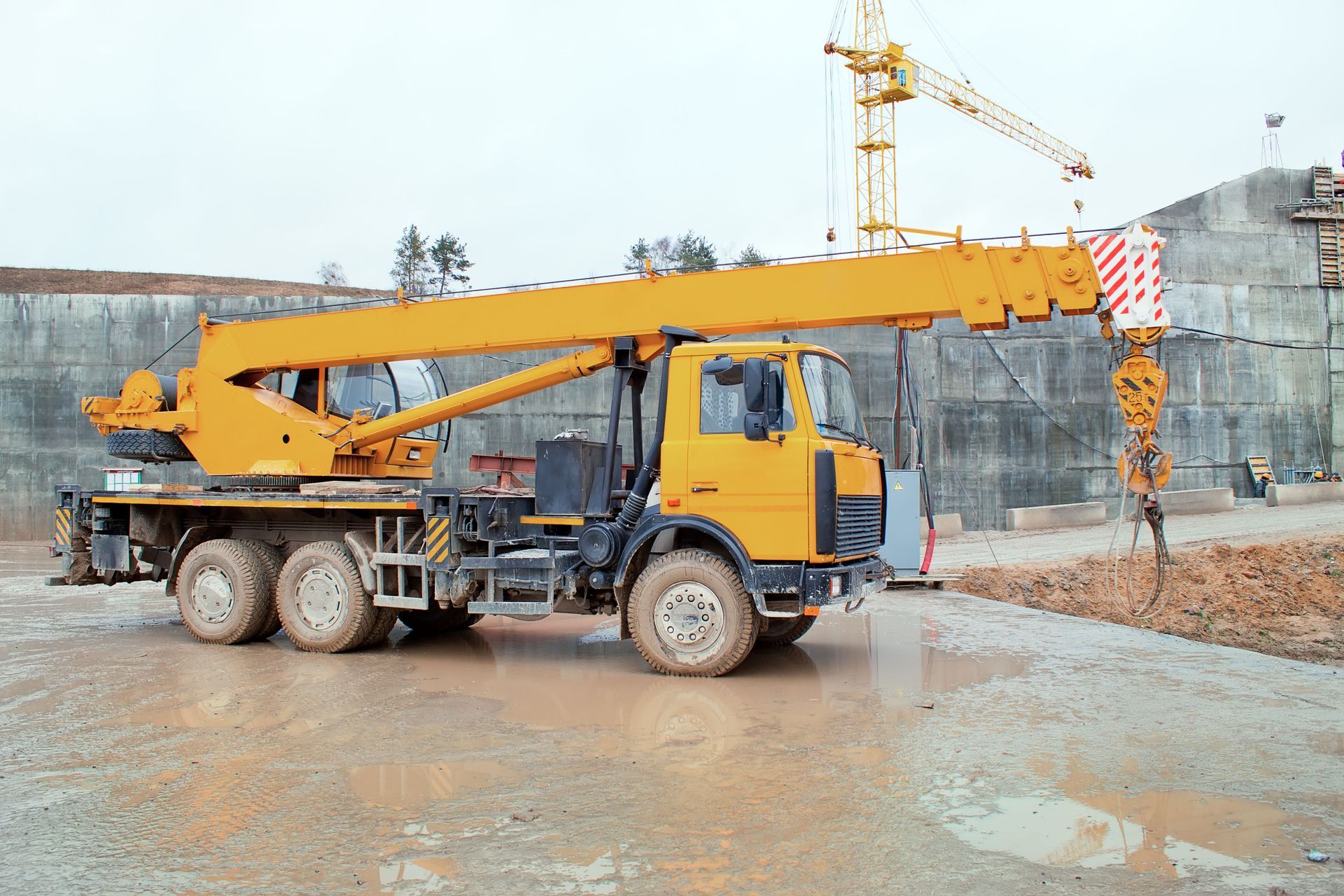
When renting cranes, companies gain access to a broad spectrum of crane types suited for different tasks and terrains. This variety allows project managers to select the most appropriate crane for specific needs, enhancing project efficiency and effectiveness. The ability to choose from diverse models ensures that businesses can complete complex tasks without the limitations posed by owning a singular type of crane. Moreover, having the right equipment can significantly reduce operational bottlenecks, facilitating smoother project execution. As the U.S. crane rental industry grows, propelled by infrastructure development and urbanization, the availability of diverse crane types will only expand.
Short-term and Long-term Rental Options
The flexibility in rental terms means businesses can rent cranes for as long or as short a duration as needed. This is particularly advantageous for projects with varying timelines and requirements. Short-term rentals allow companies to meet immediate needs without long-term commitment, while long-term rentals offer stability for extended projects. This adaptability can help manage project schedules more effectively, ensuring that cranes are available exactly when needed. Such flexible arrangements can significantly reduce downtime, which can be costly for project managers.
Opportunity to Upgrade Equipment
Renting cranes provides the opportunity to upgrade to the latest models without the financial burden of replacement costs. As technology advances, rental companies often update their fleets, ensuring that only the most modern, efficient machines are available. This access to the latest equipment allows companies to stay competitive and meet stringent project demands. Companies can also take advantage of technology that increases operational efficiency and safety without having to purchase new machinery outright. This ability to upgrade without the financial penalty supports a more agile and responsive business model.
Adaptability to Project Changes
Projects often experience changes in scope and requirements, necessitating different equipment needs. Equipment rentals offer the flexibility to adapt to these shifts without the constraints of owning static equipment. Businesses can switch cranes during a project as necessary, ensuring they always have the right tools at their disposal. This adaptability can prevent project delays caused by equipment limitations, enhancing overall efficiency. Moreover, being able to respond swiftly to project changes can improve client satisfaction and uphold a company’s reputation for reliability.
Reduction in Maintenance Hassles
Elimination of Regular Maintenance Duties
One of the significant advantages of crane rentals is the elimination of routine maintenance responsibilities. Owning cranes requires a dedicated team to handle regular maintenance tasks, which can be resource-intensive and costly. By renting, companies transfer these duties to the rental provider, freeing up internal resources for other business activities. The reduced maintenance workload leads to fewer interruptions in project execution, improving overall productivity. This streamlined approach allows companies to focus more on project objectives rather than the demands of equipment upkeep.
Assistance From Professional Service Providers
Renting cranes often includes the benefit of professional assistance from service providers. Rental companies typically have expert teams dedicated to maintaining their equipment, ensuring operational efficiency and reliability. These professionals offer specialized knowledge and skills that may not be present within a company's internal team, enhancing equipment performance. Such support can lead to quicker resolution of maintenance issues, minimizing downtime and keeping projects on track. This access to expert maintenance services is a valuable advantage, promoting seamless project execution.
Scheduled Maintenance by the Rental Company
Most crane rental agreements include scheduled maintenance provided by the rental company, ensuring that equipment is consistently in optimal condition. This proactive approach prevents potential breakdowns and long-term equipment degradation. Scheduled maintenance also aligns with project timelines, minimizing any disruptive impact. Knowing that equipment is regularly serviced can give project managers peace of mind and allow them to concentrate on other critical tasks. Additionally, well-maintained cranes enhance project efficiency and can lead to safer job sites.
Simplified Risk Management
Professional maintenance provided by rental companies simplifies risk management for businesses using cranes. When maintenance is outsourced, risk related to equipment failure and associated project delays is significantly reduced. This approach ensures that cranes meet all safety and performance standards, mitigating potential legal and operational risks. Simplified risk management translates into fewer legal headaches and more predictable project timelines. This assurance is essential in the construction industry, where project deadlines and safety standards are of utmost priority.
Crane rentals provide a myriad of benefits for construction and industrial projects. From substantial cost savings to enhanced flexibility and efficiency, the advantages of renting cranes are compelling. If you have any questions or would like more information, don't hesitate to reach out to our dedicated team. Contact American Industrial Contractors today to get started with our heavy equipment and rental services.
Share On: